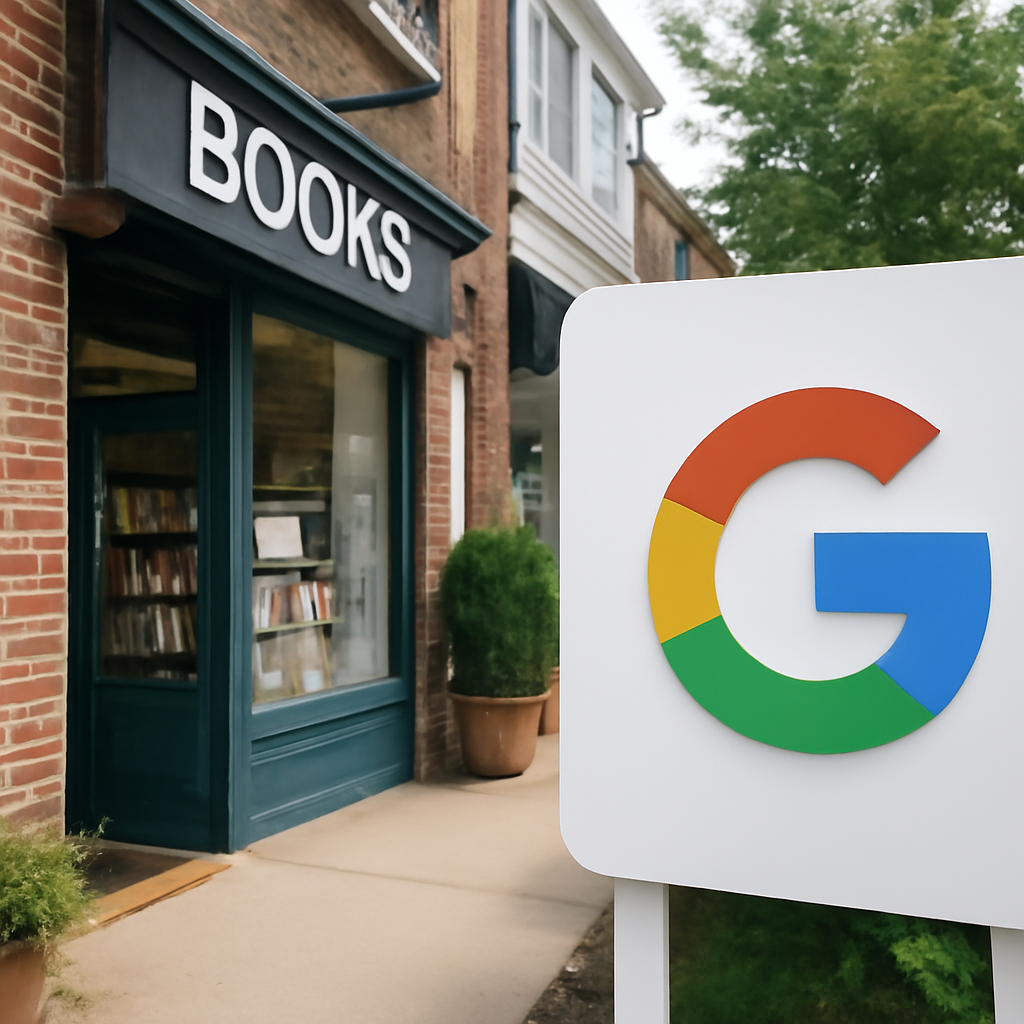
When a shopper two blocks away pulls out a phone and searches for what a store sells, only a handful of storefronts on that street will actually show up on the screen. The gap between being open for business and being found online is where Google My Business, now formally called Google Business Profile, decides winners and losers every day.
Local search has shifted from a nice-to-have channel into the dominant way people discover nearby businesses. According to data published by Google, nearly half of all searches carry local intent, and roughly 76% of consumers who run a local search on a smartphone visit a related business within 24 hours. A free listing, when handled with care, can outperform paid ads, billboards, and longtime word-of-mouth reputation. The catch is that most owners treat the profile like a phone book entry from 1995 instead of the dynamic storefront it actually is.
Why the Profile Carries So Much Weight
Google’s local algorithm relies on three broad signals: relevance, distance, and prominence. The Business Profile is the single tool a business owner controls that directly feeds all three. Relevance comes from accurate categories and detailed service descriptions. Distance depends on a correct service area and verified address. Prominence builds through reviews, photos, posts, and engagement signals that the profile collects over time.
What makes this so powerful is the format Google uses to display results. The local pack, often called the 3-pack, sits above traditional organic listings on most local queries. Three businesses get the prime real estate. Everyone else gets buried beneath the fold or pushed onto page two, where studies suggest fewer than 1% of searchers ever venture. Owners who claim and optimize their profile are competing for one of three slots on a screen that may receive thousands of impressions a week.
The Compounding Effect of Early Action
Local SEO professionals often describe Google Business Profile rankings as a flywheel. A complete profile attracts a few clicks. Those clicks generate reviews and direction requests. Those engagement signals tell Google the business is active and trustworthy, which improves rank, which generates more clicks. Businesses that start the cycle earlier than nearby competitors build a lead that becomes harder to overcome with each passing month.
Agencies advising brick-and-mortar clients emphasize that delay carries a real cost. A pizza shop that optimizes its profile in January and racks up 80 reviews by summer will dominate searches over a comparable shop that finally gets around to claiming its listing in August. The newcomer might offer better pizza, friendlier service, and lower prices, but the algorithm has already made up its mind.
The Components Most Owners Get Wrong
Claiming a profile takes about ten minutes. Optimizing it well takes months of consistent attention. Several elements separate the listings that climb from the ones that stall.
Categories matter more than many owners realize. Google offers a primary category and several secondary slots. The primary category should match exactly what the business is best known for, not a broader umbrella term. A bakery that specializes in wedding cakes ranks better with “Wedding bakery” as the primary than with the generic “Bakery.” Secondary categories then fill in additional services without diluting the main signal.
NAP consistency, short for name, address, and phone number, sounds boring but quietly determines whether Google trusts the listing. The exact business name, formatted identically across the Business Profile, the company website, Yelp, Facebook, industry directories, and hundreds of citation sites, signals legitimacy. Even small variations like “St.” versus “Street” or an old phone number lingering on a forgotten directory can chip away at rankings. Researchers have found that businesses with clean citation profiles consistently outrank those with conflicting data, even when the latter have stronger websites.
Photos pull more weight than most owners assume. Listings with more than 100 photos receive significantly more clicks to website, direction requests, and calls than those with the bare minimum. Real photos of the storefront, interior, team members, and products perform better than stock imagery. Google’s machine learning systems also analyze image content and use it to better understand what the business actually offers.
Reviews as Both Ranking Factor and Conversion Tool
Reviews serve two purposes that owners sometimes confuse. The volume, recency, and rating influence where the business appears in search results. The written content of those reviews then convinces a human reader to actually call or visit. Both functions need attention. A business with 200 reviews from three years ago will lose ground to a competitor pulling in fresh reviews each month, even if the older listing has a higher average score.
Responding to reviews, both positive and negative, sends additional signals. It demonstrates active management of the profile and gives Google more content to associate with the business. Professionals who track local rankings often see noticeable lifts within weeks of an owner committing to a regular review response routine.
Features That Many Competitors Ignore
Google has steadily added tools inside the Business Profile dashboard that go underused. Posts function like mini social media updates, appearing directly in the knowledge panel when someone searches the business name. Q&A allows owners to seed common questions with accurate answers before customers post their own. Products and services modules let owners list specific offerings with prices, which then surface in search results.
Messaging, when enabled, lets a potential customer text the business directly from the search result. Bookings integrate with many scheduling platforms. The owners who use these features tend to be the same ones already dominating the local pack, which suggests a self-reinforcing pattern worth paying attention to.
The Window Closes Faster Than People Think
Local search is not a static game. New competitors enter constantly. Existing ones occasionally wake up and start optimizing seriously. Google updates its algorithms quietly throughout the year, sometimes rewarding signals that mattered less six months earlier. A business that built a comfortable lead in 2024 by being one of the few to bother with profile optimization may find that lead shrinking in 2026 as more rivals catch on.
The good news for owners just starting is that most competitors still treat their listings as an afterthought. Incomplete categories, outdated hours, missing photos, ignored reviews, and stale posts are the norm rather than the exception in most markets. That sloppiness creates an opening for anyone willing to put in genuine effort. The businesses that move first, stay consistent, and treat the profile as a living storefront tend to capture customers their neighbors never knew were looking.
Winning local search comes down to showing up where shoppers actually look, with information they actually trust, before someone else fills that slot. Google Business Profile is the closest thing to a free advertising channel that still rewards effort more than budget. The shops that recognize that, and act on it sooner rather than later, will keep finding new customers walking through the door.
FAQ
What does Google Business Profile do for a local shop?
It feeds all three signals Google uses in local rankings: relevance through accurate categories and descriptions, distance through a verified address and service area, and prominence through reviews, photos, and posts. The profile is what determines whether a business appears in the local 3-pack above organic results.
How long does it take to see results from optimizing a profile?
Claiming a profile takes about ten minutes, but meaningful ranking improvements take months of consistent attention. Local SEO professionals describe the process as a flywheel: a complete profile attracts clicks, which generate reviews and direction requests, which lift rankings, which attract more clicks.
Why does NAP consistency matter so much?
NAP stands for name, address, and phone number. When those details match exactly across the Business Profile, the company website, Yelp, Facebook, and citation sites, Google reads the listing as legitimate. Even small variations like “St.” versus “Street” or a leftover old phone number on a forgotten directory can quietly chip away at rankings.
Related coverage
- SEO for Business Owners: The Ultimate Guide to Dominate Search Engine Rankings
- Fresh satisfactions From Search Visibility: Why Rankings Drive Revenue Growth
Wait, let me give you a cleaner title:
Why Every Business Owner Needs a Search Strategy in 2026